“Maximize Your Coverage: A Complete Guide to Incorporating Dental Implant Costs into Your Health Insurance Plan”
Maximize Your Coverage: A Complete Guide to Incorporating Dental Implant Costs into Your Health Insurance Plan
Dental implants are a popular and effective solution for those who have lost teeth due to injury, decay, or other dental issues. However, the costs associated with dental implants can be significant, often ranging from $3,000 to $4,500 per implant. With such expenses, it’s essential to understand how to incorporate these costs into your health insurance plan effectively. Many people are unaware that dental implants may be covered under certain health insurance plans, especially if they are deemed medically necessary. In this guide, we will explore the various ways to maximize your coverage for dental implants, the nuances of insurance policies, and strategies to minimize out-of-pocket expenses. By understanding your insurance options and potential financial assistance, you can make informed decisions about your dental health and financial planning. Let’s dive into the essential aspects of incorporating dental implant costs into your health insurance coverage.
Understanding Dental Implants and Their Costs
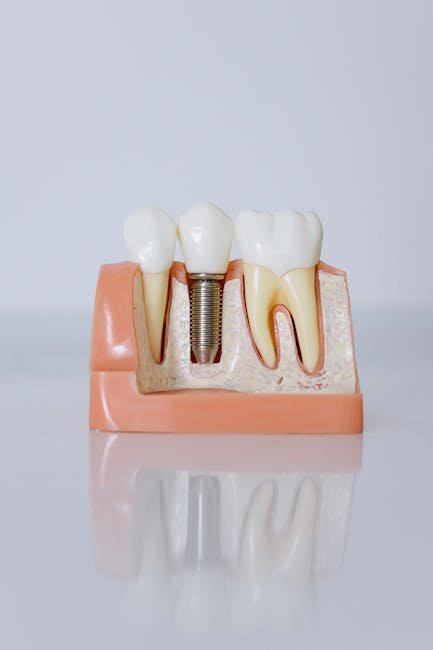
Dental implants are artificial tooth roots that are surgically placed into the jawbone to support crowns, bridges, or dentures. They provide a stable foundation for replacement teeth, offering a natural look and feel. The costs associated with dental implants can vary widely based on several factors, including the type of implant, the complexity of the procedure, and geographic location. Typically, a single dental implant can cost anywhere from $3,000 to $4,500, but this does not include additional expenses such as consultations, imaging, or follow-up visits. It’s vital to understand that while dental implants are often considered an elective procedure, they can also be necessary for addressing significant dental health issues, which can influence insurance coverage. Understanding these costs is the first step in determining how to best integrate them into your health insurance plan.
Evaluating Your Current Health Insurance Plan
Before you can effectively incorporate dental implant costs into your health insurance plan, it’s crucial to evaluate your current policy. Many health insurance plans offer limited dental coverage, primarily focusing on preventive care such as cleanings and exams. However, some plans may include provisions for major dental work, which can encompass implants. Review your policy documents to identify any specific mentions of dental procedures, coverage limits, and exclusions. Pay close attention to the details regarding whether your plan classifies dental implants as medically necessary, as this classification can significantly affect reimbursement. If you’re unsure about the specifics of your policy, consider reaching out to your insurance provider for clarification. Understanding your coverage will empower you to make more informed decisions and advocate for the benefits you deserve.

Identifying Coverage for Dental Implants
Once you have evaluated your current health insurance plan, the next step is to identify whether dental implants are covered. Some health insurance plans provide coverage for dental implants if they are deemed medically necessary, such as in cases of severe jawbone loss or after an accident. Check if your policy includes a dental rider, which is an add-on that provides additional dental benefits. Furthermore, you may need to obtain pre-authorization from your insurance company before proceeding with the implant procedure. This process involves your dentist submitting a request along with supporting documentation to demonstrate the medical necessity of the implants. Be prepared to provide any relevant medical history that could support your case, as thorough documentation can make a difference in receiving coverage approval.
Working with Your Dentist for Insurance Claims
Your dentist plays a crucial role in navigating the insurance claims process for dental implants. It’s essential to communicate openly with your dentist about your insurance coverage and financial concerns. Many dental offices have staff members who specialize in dealing with insurance claims and can assist you in understanding your benefits. Before undergoing the procedure, discuss the need for pre-authorization with your dentist, who can help gather the necessary documentation to support your claim. Additionally, inquire about the possibility of payment plans or financing options that may be available through the dental practice. With the right support from your dental team, you can increase your chances of receiving insurance reimbursement and managing your financial obligations more effectively.
Exploring Flexible Spending Accounts (FSAs) and Health Savings Accounts (HSAs)
Flexible Spending Accounts (FSAs) and Health Savings Accounts (HSAs) can be valuable resources for managing dental implant costs. An FSA allows you to set aside pre-tax dollars from your paycheck to pay for qualified medical expenses, including dental work. This can effectively reduce your taxable income while helping you cover out-of-pocket costs for dental implants. Similarly, HSAs are tax-advantaged savings accounts available to individuals with high-deductible health plans, allowing you to save for medical expenses, including dental care. Both FSAs and HSAs can help alleviate the financial burden associated with dental implants, making it easier to afford the procedure. Be sure to check contribution limits and eligible expenses for these accounts to maximize their benefits.
Considering Alternative Payment Options
If your insurance coverage for dental implants is limited or nonexistent, exploring alternative payment options may be beneficial. Many dental practices offer financing plans that allow you to pay for your dental implants in installments. These payment plans often come with low or zero interest rates, making them an attractive option for patients concerned about upfront costs. Additionally, some dental offices partner with third-party financing companies that specialize in medical and dental loans, providing further flexibility in payment options. It’s essential to carefully review the terms and conditions of any financing agreements to understand the total cost and repayment timeline. By exploring these alternatives, you can find a payment solution that fits your financial situation while ensuring you receive the necessary dental care.
Staying Informed About Policy Changes and Benefits
Health insurance policies can change frequently, which may impact your coverage for dental implants. It’s essential to stay informed about any updates to your plan that could affect your benefits. Regularly review your insurance documents, and don’t hesitate to reach out to your insurance provider for clarification on any changes. Additionally, during open enrollment periods, take the time to evaluate other available plans that may offer better coverage for dental procedures. Some employers may provide options that include more comprehensive dental benefits, which can save you money in the long run. Staying proactive about your health insurance will ensure you are always aware of your options and can make well-informed decisions regarding your dental care.
Conclusion
Incorporating dental implant costs into your health insurance plan can be a complex process, but understanding your coverage options, working closely with your dentist, and exploring alternative payment methods can significantly ease the financial burden associated with this essential dental procedure. By evaluating your current policy, identifying coverage for dental implants, and utilizing resources like FSAs and HSAs, you can maximize your benefits and ensure you receive the dental care you need. Remember to stay informed about policy changes and consider financing options if necessary. With careful planning and research, you can successfully manage the costs of dental implants and maintain your oral health.